
Velocity Banking Myths: Separating Fact From Fiction

The first time most people hear about Velocity Banking, their gut reaction is skepticism. I get it. Someone tells you that running your paycheck through a line of credit can help you pay off your mortgage years early, and it sounds like exactly the kind of thing that turns out to be a pitch for something expensive later. So let's deal with that head-on, because pretending the skepticism doesn't exist doesn't help anybody.
If you haven't read the mechanics yet, the Velocity Banking Strategy pillar page walks through exactly how the chunking method works. This article is about the doubts that come up before people ever get that far.
Why It Sounds Too Good to Be True
Most of us grew up with one model of debt payoff: minimum payment, same amount, every month, for however many years the loan says. When someone describes a different approach, especially one involving a bank product, the natural assumption is that there's a catch. There isn't a catch, exactly — but there is a mechanism, a...
The Velocity Banking Blueprint: How to Actually Use It to Pay Off Debt Faster
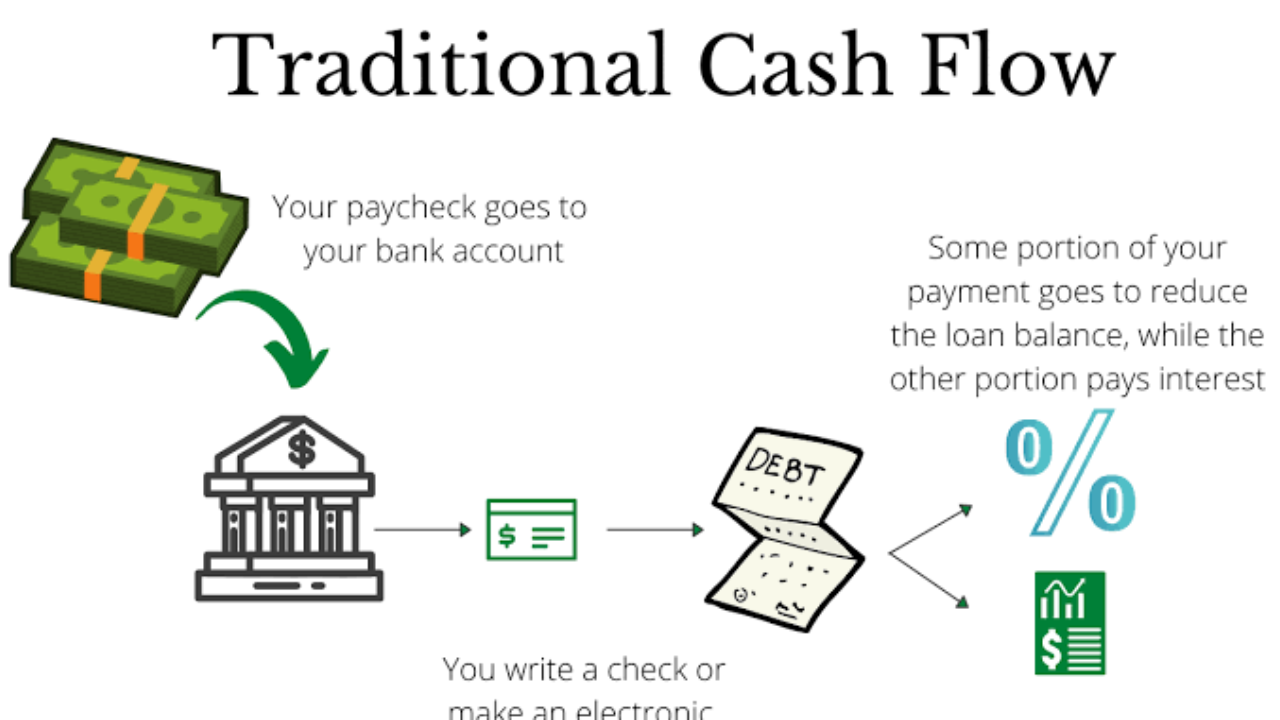
If you've read What is Velocity Banking? And How Do I Start?, you already know the basic idea: run your income through a line of credit instead of a checking account, and let daily-calculated interest work in your favor instead of the bank's. This post skips the intro. You're here for the mechanics — the actual steps, the actual math, and honestly, where this strategy stops making sense.
I'll say the same thing I say to every couple I sit down with: this is not a secret the banks are hiding from you. It's math, applied on purpose, with discipline behind it. Nobody's numbers are identical, so treat everything below as an illustration of how the pieces fit together, not a promise of what yours will look like.
The Chunking Method, Step by Step
"Chunking" is the engine under the hood of Velocity Banking. Instead of sending the mortgage company $2,000 a month for the next 27 years, you push a large lump sum — a chunk — against the principal all at once, using a line of credit. Then you ...
Velocity Banking vs. Traditional Amortization: Why the Math Actually Favors You

If you've ever looked at your mortgage statement and wondered why, five years in, you've barely touched the principal, you're not alone. That confusion is exactly what pushes homeowners toward velocity banking — a debt payoff method built around cash flow instead of a fixed monthly schedule.
So what is velocity banking, really? It's not a loan product. It's a strategy for moving money in a way that shrinks the interest you pay over time, usually by routing income through a line of credit before it goes toward your debt. Traditional amortization, by contrast, locks you into a schedule where the bank decides how much of each payment chips away at your balance and how much just covers interest. Early on, that split is brutal — most of your payment is interest, full stop.
How Traditional Amortization Actually Works Against You
A 30-year mortgage is designed around a fixed formula. Every payment is the same size, but the ratio of principal to interest shifts slowly over decades. On a $3...
Whole Life Insurance and Infinite Banking: How the Two Actually Connect
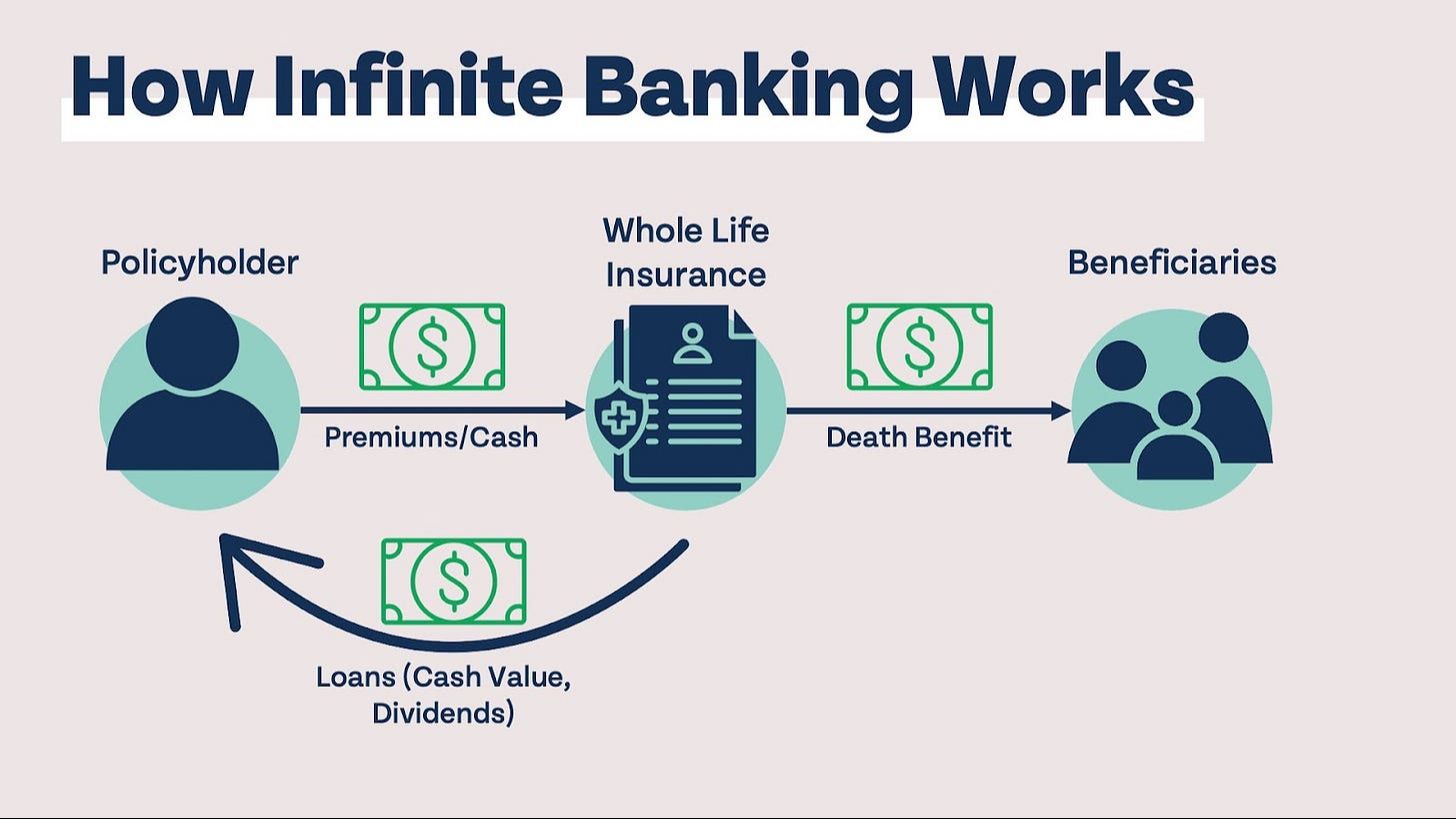
People often ask whether whole life insurance and infinite banking are the same thing. They aren't. One is a financial product, while the other is a strategy that uses that product. In most cases, you can't implement infinite banking without whole life insurance, but understanding the difference will help you avoid a lot of misleading sales pitches.
Whole Life Insurance Is the Container, Not the Strategy
Whole life insurance is a type of permanent life insurance. Like any life insurance policy, it pays a death benefit to your beneficiaries. Unlike term insurance, however, it also builds cash value over time at a guaranteed minimum rate that isn't tied directly to market performance.
That cash value is what makes the policy useful during your lifetime. Depending on how it's designed, you can borrow against it and, in some cases, make withdrawals.
Term life insurance works differently. It provides protection for a fixed period but doesn't accumulate cash value. That's one of the rea...
Infinite Banking Explained: Becoming Your Own Bank

There's a phrase that gets thrown around a lot in personal finance circles: "be your own bank." It sounds like a slogan until you actually see how it works. Infinite banking isn't about avoiding banks entirely — it's about building a financial structure, usually through a specific type of life insurance policy, that lets you borrow against your own cash value instead of asking someone else's institution for a loan.
What the Infinite Banking Strategy Actually Does
At its foundation, an infinite banking strategy uses a whole life insurance policy with a cash value component. You pay premiums, a portion builds cash value over time, and that cash value can be borrowed against without going through a bank's approval process or reporting to a credit bureau. You're the lender and the borrower. The insurance company facilitates it, but the terms are yours to manage.
The appeal is control. Traditional financing means someone else sets the rate, the term, and the approval criteria. With a ...
Velocity Banking Explained: How to Pay Off Your Mortgage in Years, Not Decades

Most people sign a 30-year mortgage and accept that 30 years is just how long it takes. I want to challenge that assumption, because it isn't actually true for everyone — it's just the default the bank hands you, and the bank has zero incentive to mention a faster path.
Velocity Banking is that faster path. It's the strategy behind a lot of the client results I talk about on this site, and I want to break down exactly what it is, how it works, and why it isn't as complicated — or as risky — as it sounds the first time someone hears it.
What Is Velocity Banking, Really
At its simplest, Velocity Banking uses a line of credit — usually a HELOC — as a tool to attack your mortgage principal in large chunks instead of small monthly payments. Instead of sending the bank $2,000 a month for 30 years and watching most of it disappear into interest for the first decade, you use your income to pay down a revolving line of credit fast, then use that available credit to knock out a large piece o...
Debt Advisor: How to Get Real Help Without Getting Taken Advantage of
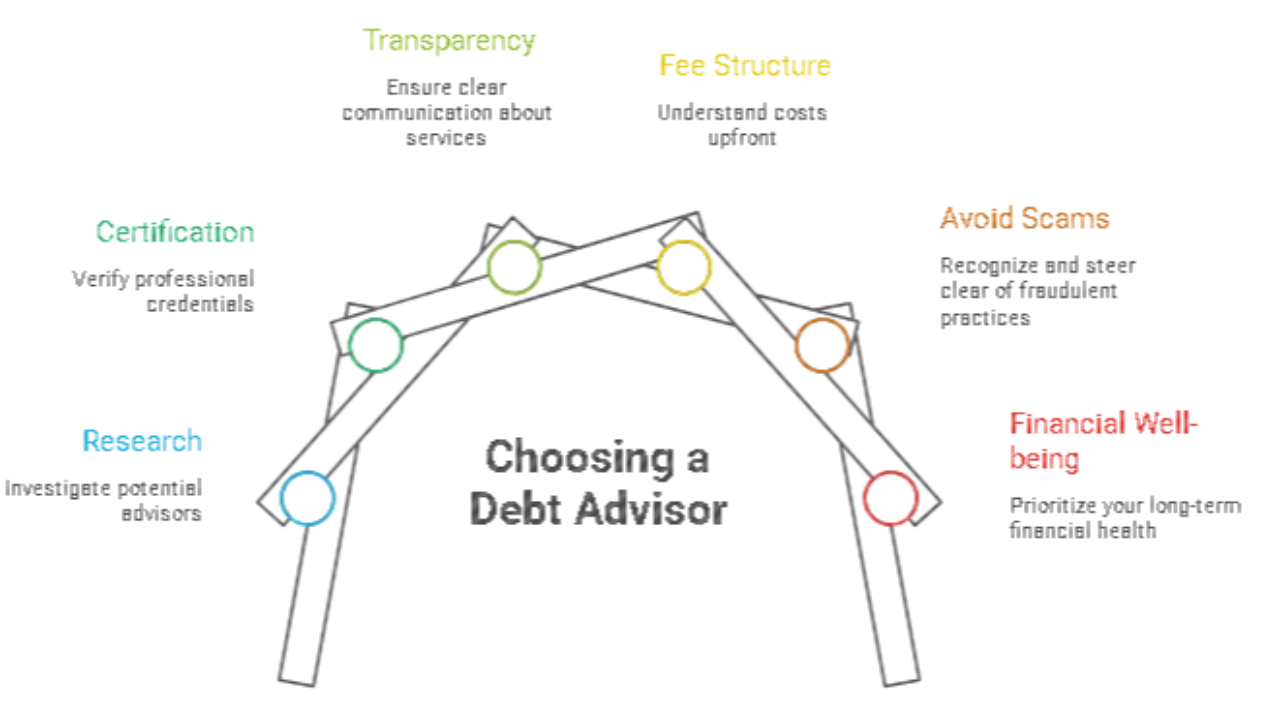
Debt has a way of making people desperate. And desperate people make easy targets.
That's the honest truth about why the "debt relief" industry has so many bad actors in it. When you're stressed about what you owe, when the calls are coming in and the balances don't seem to move, you'll sometimes pay someone to make it stop — even if their solution creates new problems.
A genuine debt advisor doesn't work like that. Their job is to put you in a better position than you're in right now, not to collect a fee while your credit gets torched. But knowing the difference between real help and a trap? That's what I want to walk through here.
What a Debt Advisor Actually Does
At its core, a debt advisor does two things: they analyze your situation clearly, and they help you build a plan you can actually follow.
That means looking at every debt you carry — the balance, the interest rate, whether it's in collections, whether it's personal or business — and building a payoff sequence that f...
Accelerated Debt Payoff Strategies Most Banks Won't Tell You About

Every major bank and credit bureau publishes basically the same list of debt payoff strategies, debt snowball, debt avalanche, debt consolidation, and they’re not bad places to start, especially if you’ve never sat down and mapped out your numbers before. But I’ve noticed something in years of doing this work, which is that none of the big institutions ever mention the strategy that’s actually helped more than 1,100 of my own clients move faster than any version of those three methods alone could get them, and that strategy is Velocity Banking.
That’s not an accident, and it’s not because Velocity Banking doesn’t work. Banks have legal and compliance reasons to stick to the safe list, since recommending that someone leverage a line of credit against their home for debt arbitrage is a liability question for a regulated institution in a way that telling someone to pay off their smallest credit card first simply isn’t. It’s not a liability question for me, because I’m not selling anyone...
Money Advisor - What's Important to Know/Consider Before Trusting Anyone With Your Finance
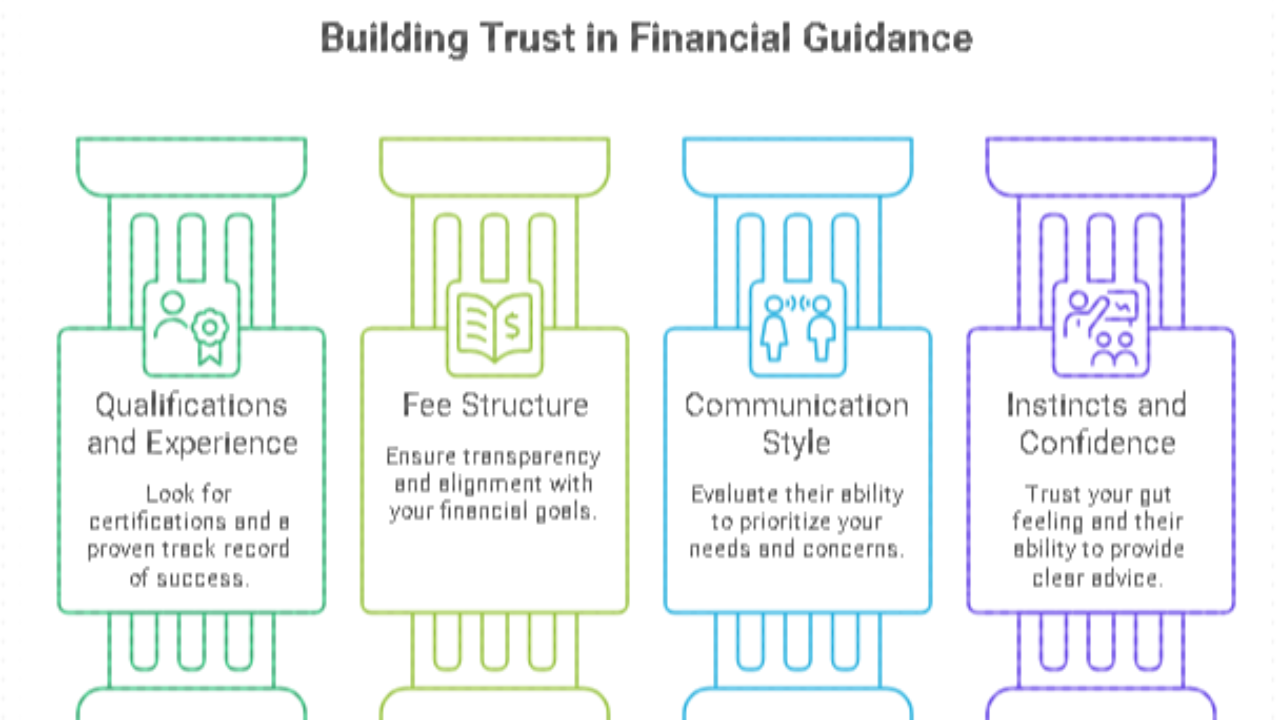
Money Advisor - What's Important to Know/Consider Before Trusting Anyone With Your Finance
Here’s the deal: There are many people in finance that appear to be helping you, yet in reality, they are selling you something. A product, a plan, a subscription — whatever it is, their income depends on you buying it. That's not inherently wrong, but it does mean you need to know what you're actually getting before you hand over your trust and your money.
Finding a genuine money advisor — someone who gives you a gameplan that fits your actual life, not a cookie-cutter recommendation designed to move product — makes a real difference. I've seen it change people's financial trajectories completely. And I've also seen people get burned by advice that sounded polished but wasn't built for them.
So here's what I actually look at when evaluating whether a financial advisor is worth working with.
They Should Know Your Numbers Before They Know Their Recommendations
A good money advisor doesn't wal...
Loan Builder: The Strategy That Builds Credit While You Save
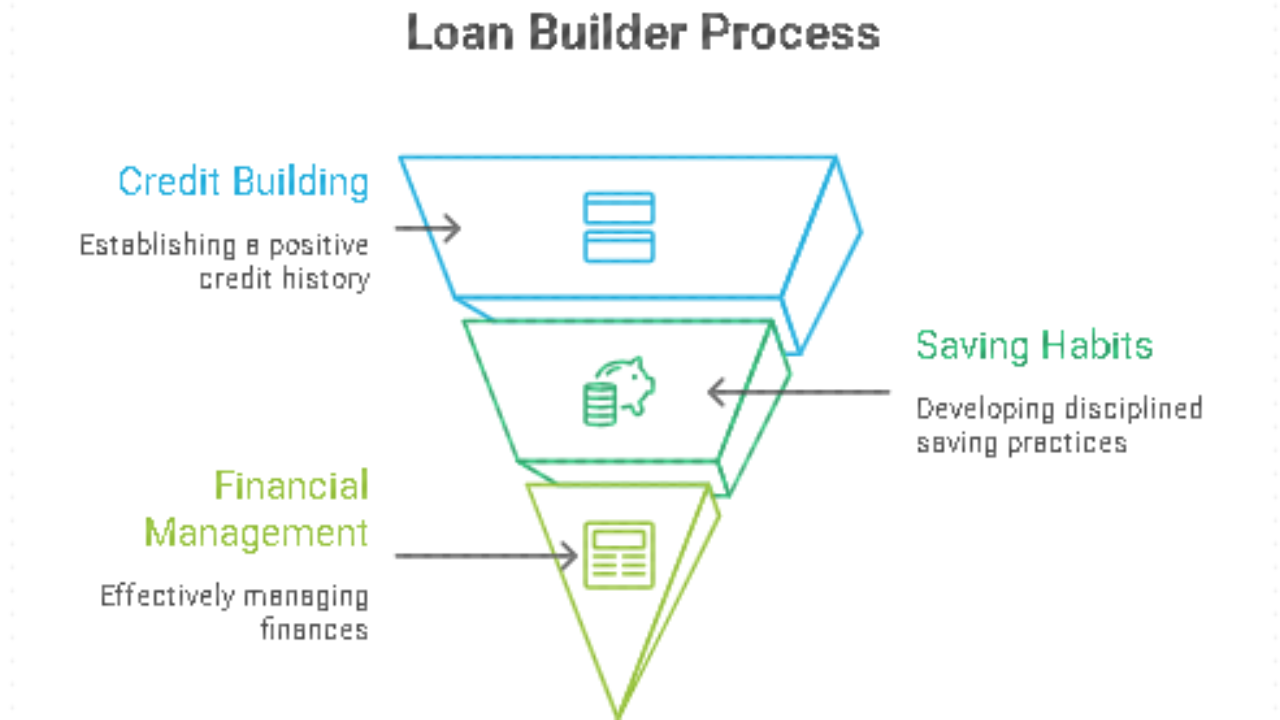
Loan Builder: The Strategy That Builds Credit While You Save
Most people think building credit means going into debt. You apply for a card, you spend, you pay it off, and hopefully your score climbs. That's one way. But there's another path that a lot of people don't know about — and it's one that grows your savings at the same time it builds your credit history.
It's called a loan builder account, sometimes called a credit-builder loan. And if you're starting from scratch or recovering from past mistakes, it might be one of the smartest first moves you can make.
What a Loan Builder Account Actually Does
Here's how it works. You apply through a credit union or community bank. They approve you for a small loan — usually somewhere between $300 and $1,500. But instead of giving you the money upfront, they hold it in a secured savings account while you make monthly payments.
Once you've made all your payments, the money is released to you. Meanwhile, every on-time payment gets reporte...
