
Yes, sometimes. Velocity Banking can work with a lower credit score, but only if you can still qualify for a line of credit with a rate that leaves room for savings. A low score can mean a smaller line, a higher rate, or denial.
“Can I even do this with my credit?” is one of the first questions I get whenever someone learns about this strategy. It’s a fair question. The whole strategy leans on a line of credit, and lines of credit are underwritten, not handed out. If your score has some dings on it, the honest answer depends on how many, how deep, and how close you are to qualifying.
Key takeaways
- A line of credit is underwritten, so your score, debt-to-income ratio, income and home equity all matter.
- A low score can mean a smaller line, a higher rate, or denial.
- If your HELOC rate is close to your mortgage rate, the strategy has little room to work.
- Lenders differ, so shop more than one before you decide.
- If you don’t qualify yet, build credit first. Extra principal payments and a budget still help in the meantime.
Why Credit Score Matters Here
Velocity Banking isn’t a savings plan. It’s built around a HELOC or a personal line of credit that a lender has to approve. A lender usually looks at:
- Your credit score.
- Your debt-to-income ratio.
- Your income documentation.
- For a HELOC, how much equity you have in your home.
A low score doesn’t just risk denial. It can also mean a smaller line, a higher rate, or both, and either one changes whether the strategy is worth doing at all.
A HELOC at a rate close to your mortgage rate can barely move the needle. Run the numbers before you assume the strategy will work the way it does in someone else’s success story.
What Counts as “Low” Depends on the Lender
There’s no single cutoff that applies everywhere. Credit unions, community banks, and large national lenders all set their own minimums. Some are noticeably more flexible than others, especially if you already bank with them or have significant home equity to offset their risk. That’s why it’s worth shopping more than one lender before deciding Velocity Banking is off the table.
Credit score is also only one piece of the underwriting picture. Your debt-to-income ratio and the amount of equity you’ve built in your home both carry weight, sometimes enough to offset a score that isn’t perfect. Someone with a fair score but low overall debt and a lot of home equity can still land a workable line. Someone with a great score but a maxed-out debt load might get a smaller offer than they expected. It’s worth pulling these numbers together before assuming your score alone will decide the outcome.

How Credit Tiers Generally Affect Your Options
| Credit Standing | Typical HELOC Access | What It Means for Velocity Banking |
|---|---|---|
| Strong (very good to excellent) | Wider approval odds, larger lines, better rates | Strategy usually has room to work as designed |
| Fair to good | Approval possible, often with a higher rate or smaller line | Can still work, but the rate spread needs checking closely |
| Below fair | Limited approval, may require a co-signer or more equity | Often better to build credit first before relying on this strategy |
These are general patterns. Each lender sets its own terms.
Building Credit Before You Build the Line
If your score isn’t where a lender wants it yet, that’s not the end of the conversation. It’s just a different starting point. A few things can move a score enough to change your approval odds:
- Pay down revolving balances.
- Correct errors on your credit report.
- Keep accounts open and in good standing.
Some people use this waiting period to knock out smaller debts with a plain debt snowball. That also frees up cash flow for when the HELOC does come through.
It’s worth reading through common setup mistakes before you apply. A few of them, like opening a line that’s too small to be useful, trip people up regardless of credit score. Our post on costly banking strategy mistakes covers several of them.
A dispute isn’t always the fastest fix, either. If your report is accurate but the balances are just high, focus on the cards carrying the most debt relative to their limits. This often moves a score faster than spreading small payments across every account you have. It’s not glamorous work, but it’s the kind of thing that actually changes what a lender sees when they pull your file.
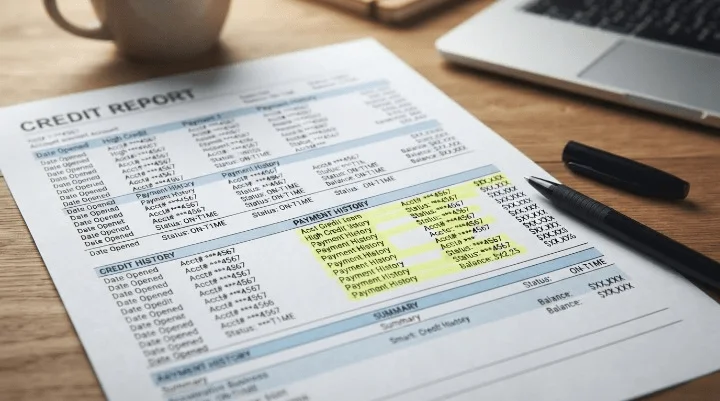
Want a second set of eyes on your report? Book a review call.
If the Line Isn’t an Option Yet
Not qualifying today doesn’t mean the strategy is wrong for you. It might just mean the timing is off. Some people spend time improving their credit profile so they can use Velocity Banking the way it’s meant to be used. They want a real rate advantage instead of a marginal one. In the meantime, extra principal payments and disciplined budgeting still move the needle, just more slowly.
Frequently Asked Questions
What credit score do I need for a HELOC?
Requirements vary by lender, but many want to see a solid payment history and a manageable debt-to-income ratio in addition to a decent score. Checking with more than one lender is the only way to know for certain.
Will applying for a HELOC hurt my credit score?
A hard inquiry can cause a small, temporary dip. This is normal for any credit application, and scores usually recover over time.
Should I wait to build credit before trying Velocity Banking?
If your current rate offers would erase most of the benefit, waiting and improving your profile first is often the smarter move.
This article is educational and is not financial, credit or legal advice. A HELOC is secured by your home, and missed payments can put your home at risk. Talk to a qualified professional about your situation.
Find Out Where Your Credit Stands
Book a call and we’ll walk through your credit, debt and home equity together. You’ll know whether now is the right time, or what to fix first.
Book Your Credit and Cash Flow Review