
Debt snowball vs debt avalanche vs Velocity Banking comes down to one difference. The snowball and the avalanche decide which debt you pay first. Velocity Banking changes how your cash moves so every dollar works against your debt faster. If your goal is to get debt-free, knowing that difference will save you a lot of guesswork.
I talk to families who swear by each of these. None of them is wrong, exactly. They’re different tools built on different ideas, so let’s look at each one.
The debt snowball
With the debt snowball, you list your debts from the smallest balance to the largest. You make minimum payments on everything and throw every extra dollar at the smallest balance. Once it’s gone, you roll that payment into the next smallest, and so on.
The strength here is psychological. Paying off a small balance quickly feels great, and that motivation keeps people going. The weakness is math. You might leave a high interest card sitting there while you pay off a low interest loan simply because its balance is smaller.
The debt avalanche
The debt avalanche flips the order. You list your debts from the highest interest rate to the lowest and attack the most expensive one first. Minimum payments on the rest, extra money to the top of the list.
This saves the most interest of the two ordering methods. The tradeoff is that your first win might take a while if your highest rate debt also has a large balance. Some people lose steam waiting.
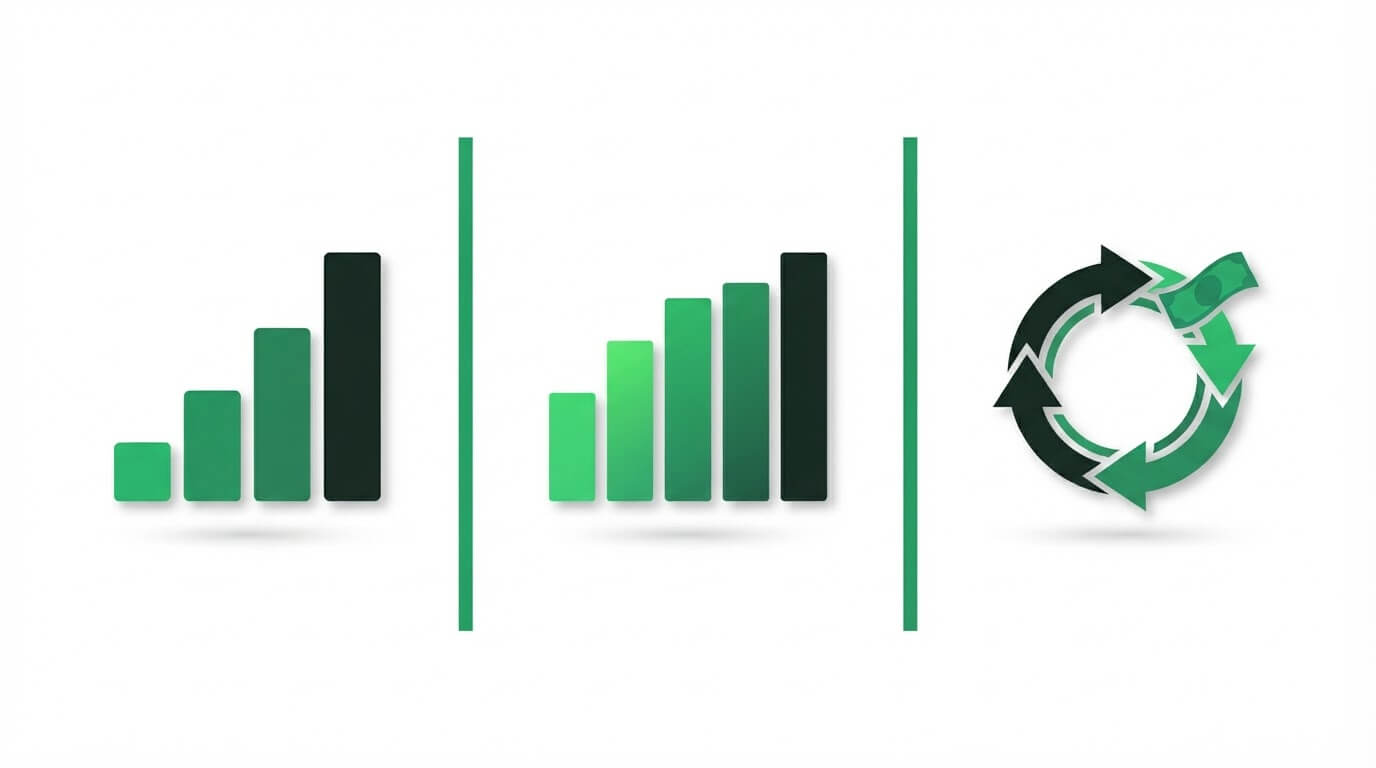
Velocity Banking
Velocity Banking is a cash flow management strategy. It doesn’t start with a list. It starts with where your paycheck goes. Your income lands in a line of credit, usually a HELOC, instead of a checking account. You send lump sums from that line to a target debt, pay your bills from the line, and let your leftover cash flow pay the line back down. Then you do it again.
Because HELOC interest is typically calculated daily on the average balance, your income lowers interest the moment it arrives. And because you’re sending chunks instead of small extra payments, principal drops in bigger steps.
| Factor | Debt Snowball | Debt Avalanche | Velocity Banking |
|---|---|---|---|
| What it decides | Order of debts by balance | Order of debts by interest rate | How your income and payments move |
| Main strength | Quick wins and motivation | Lowest total interest of the list methods | Uses cash flow and a credit line to speed up payoff |
| Main weakness | Can cost more interest | Slow first win for some people | Requires positive cash flow and discipline |
| Tools needed | A list and a budget | A list and a budget | A HELOC or personal line of credit |
| Best for | People who need momentum | People driven by the numbers | People with steady surplus cash flow |
What’s really different, and how they can work together
Snowball and avalanche answer the question “What should I pay first?” Velocity Banking answers a different question: “How can my money move faster?” That means they aren’t always competing.
You can run Velocity Banking and still use avalanche logic to pick which debt gets each chunk. Plenty of people aim their first chunks at high interest credit cards and then turn to the mortgage once those are gone. Others want a quick win and clear a small balance first.
Some homeowners take it a step further with a Lien HELOC strategy, where a first lien HELOC replaces the mortgage entirely and the paycheck goes straight into it. That setup isn’t for everyone, but it shows how far the cash flow idea can be pushed. My post on the 3 payment method walks through another way I structure payments.

How to choose
- If you have tight cash flow or no access to a line of credit, start with snowball or avalanche.
- If you need motivation more than math, the snowball will likely keep you going longer.
- If you have steady surplus income and you’re disciplined with credit, Velocity Banking can speed things up, especially if you also want to pay off your mortgage faster.
Whichever you pick, the foundation is the same. Know your numbers, spend less than you earn, and point the difference at your debt every single month.
Not sure which method fits your debt?
Bring your balances and your monthly budget to a call, and we’ll figure out the payoff order and method that makes sense for you.
Get a Debt Payoff PlanFrequently Asked Questions
Is Velocity Banking better than the debt avalanche?
Not always. Velocity Banking can speed things up when you have steady surplus cash flow, but the avalanche is simpler and needs no line of credit. Many people combine them.
Can I use the debt snowball with Velocity Banking?
Yes. You can aim your Velocity Banking chunks at your smallest balances first if quick wins help you stay on track.
Which method pays off debt the fastest?
That depends on your income, expenses, and interest rates. For someone with strong cash flow and discipline, Velocity Banking combined with a smart payoff order often moves fastest.